WAS IT LOVE OR MDMA?
Share to:
Photo Credit: Walt Jabsco
Content Warning:
This post discusses trauma bonding, substance use, emotional abuse, gaslighting, and addiction. Please read with care.
Disclaimer:
This is a personal account of my experiences, written from my perspective and memory. Names and identifying details have been changed or omitted to protect privacy. This is not intended to defame any individual, but to share my healing journey and help others recognise patterns in their own lives.
We were dancing shirtless in the rain, laughing so hard I thought my ribs would crack. I thought this was love. What I didn’t know was that my nervous system had filed it under addiction.
Dopamine, endorphins, intermittent reinforcement, and withdrawal – the core chemistry of addiction and the chemistry of a trauma bond are identical
The denial ran just as deep as the addiction itself. Because she was the funniest person I had ever met. And when she was present, she was confident, charismatic, completely silly all at once.
She told me to stay in university when everything was falling apart, and for a long time it felt like she was the only person who ever truly believed in me.
How can you call that an addiction? How can you name something as harmful when it was also genuinely the most alive you had ever felt?
You can’t. And that’s exactly how this plays out.
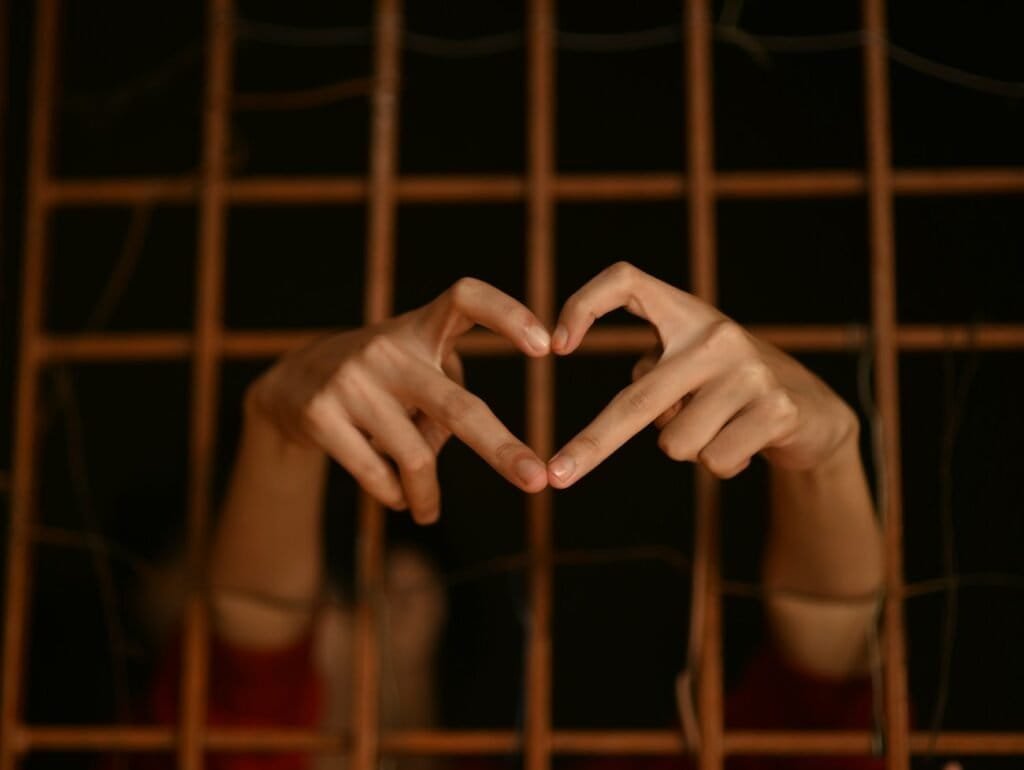
Photo credit: Korie Jenkins
The Hit
Prior to meeting her I had spent decades managing everyone else’s emotions. When we met, I was in my early 20s, living in a situation where I was being guilted to stay.
I went to a party. She was sitting at the top of the stairs, clearly upset. I could sense her pain the second I saw her. I sat next to her and she asked if I had a cigarette. I asked if she had a beer. We split up, I got the beer, she got the cigarette, and we shared them.
After that night, she messaged me every day. Every drama, every crisis, every feeling – urgent, immediate, and constant for over a year. I became her emotional anchor before I even understood what was happening. The intimacy accelerated faster than any friendship I’d ever had. I thought it meant I was special. I didn’t realise at the time that it was a pattern.
It wasn’t just love – or attraction. It was the craving for something that should have been mine from the beginning.
We helped each other emotionally. But the terms were never equal. I was hers in a way that she was never mine. She could provoke me and I’d absorb it. She could set the terms and I would mould myself to whatever she wanted. The support went both ways, but the power did not.
It was like we were married.. just without the sex.
The MDMA
We did MDMA together. We all did, back then.
MDMA doesn’t manufacture fake feelings. It removes the barriers to real ones. The oxytocin, the serotonin, the dissolving of self-protection – what you feel on MDMA is genuine. It’s just stripped of the defence mechanisms your nervous system normally uses to keep you safe.
She was magnetic even without it. But we wouldn’t touch like that sober. We wouldn’t wrestle shirtless, wouldn’t collapse into that kind of closeness and intensity without alcohol or drugs lowering the barriers first.
And my brain encoded every moment of it at the highest possible intensity.
When sober life became the gaslighting, the threats, the coldness without explanation, the reality I couldn’t trust – my brain wasn’t comparing that to ordinary good memories. It was comparing it to the most neurologically intense supercharged experiences it had ever stored.
So I stayed. Waiting for the version of her that only existed when our barriers came down.
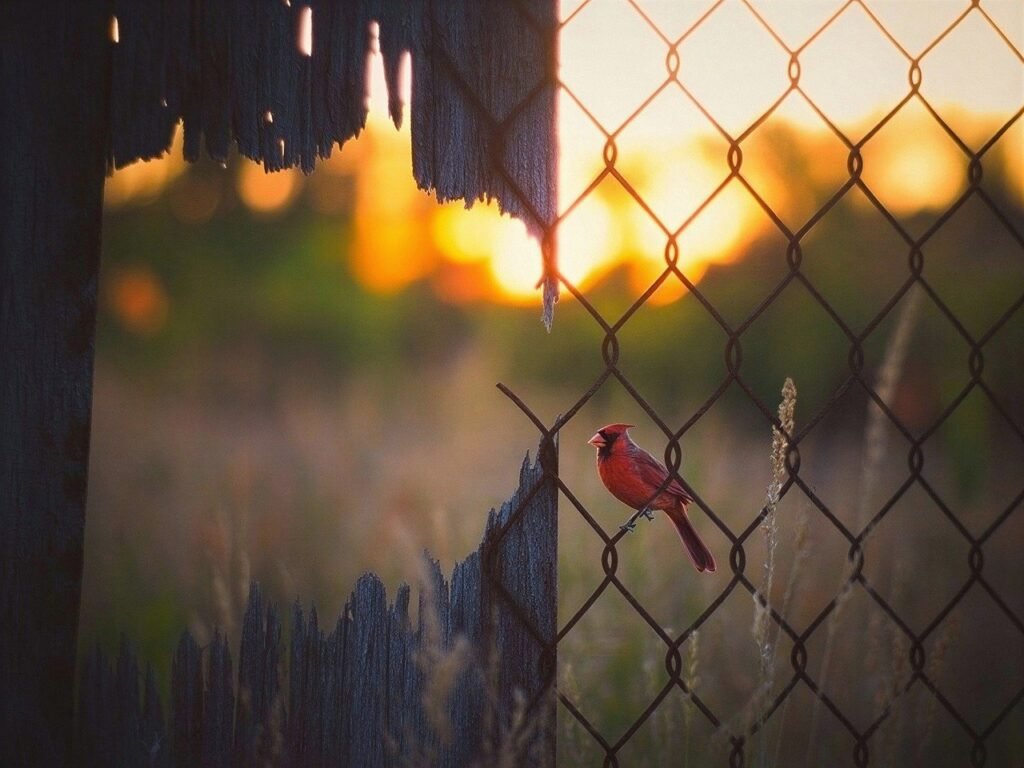
Photo credit: Goodnight London
The Withdrawal
Unpredictable rewards are more addictive than consistent ones.
It’s one of the most replicated findings in behavioural psychology. A reward that comes unpredictably – creates a stronger compulsion than a reward that comes consistently.
When she was warm, I flooded. When she withdrew – my nervous system went into crisis. Because it had coded her as survival, and survival had abandoned me.
So I chased. Because my nervous system was doing what it was designed to do when survival is threatened.
And when she came back, the relief was overwhelming. The warmth flooded back in, the dopamine hit of reunion, and my nervous system could breathe.
The Reality Distortion
I used to black out. Between the alcohol, the chaos, and the ongoing trauma I was living through, my nervous system couldn’t cope with it all.
And when I couldn’t remember, she would fill in the gaps. Her version of events. Her framing of what I had said, what I had done, what had happened between us.
I had no stable ground to stand on. No reliable memory. No sober nervous system reading the signals clearly.
She wasn’t just the source of the high. She became the source of reality itself.
And when you can’t trust your own memory, you stop trusting your own perception. You defer. You accept. You let someone else tell you what’s true. You beat yourself up. You blame yourself for everything. You keep yourself small and managed, convinced that if you just do better, try harder, take up less space – maybe then things will be okay.
That’s not love. That’s control.
I quit drinking because I didn’t want to hurt her anymore. That’s when I finally saw what was happening clearly. Without the blackouts, I could rely on my own memory. Without the alcohol, my nervous system started to read the signals it had been trying to send me for years. The thing I did to protect her is what allowed me to see she was destroying me.
“It was like we were married.. just without the sex.”
The Leaving and Coming Back
I left more than once. And each time I felt the endorphin flood. The relief. The clarity. My own reality rushing back in.
And then the familiar pull. The dopamine hit of reunion. Hoping that this time it would be permanent.
The last time was different. She had shattered it so completely that there was nothing left to go back to. And the chaos that I once found to be endearing, became repulsive.
This time was final. And I felt everything – her, the fun, the safety, the brutality, the MDMA nights, the almost connection, the 16 years of a life that was real even when it was destroying me.
The High
I left. And I didn’t grieve. Not immediately.
Because first came the high.
My nervous system – which had been in chronic threat for 16 years, white-knuckling through intentional sabotage, reality distortion, withdrawal cycles, gaslighting, and the accumulated weight of a bond that had been written into my biology – finally relaxed.
The endorphin release was massive.
Opponent process theory tells us that every intense negative state is followed by an opposing positive rebound, roughly proportional to the original state. After sixteen years of compression. The rebound was extraordinary.
Everything was glowing. Interconnected. I was floating on another planet, perceiving the world through a nervous system that was finally, fully switched on after years of survival mode. It wasn’t like MDMA. It was more intense than MDMA.
And it lasted for weeks. Because this time it was generated by my own system. I was high on my own supply. For the first time in my life.

Photo Credit : Geoffroy Hauwen
The Come Down
And then it wore off.
The come down was brutal. My body collapsed. The chronic stress that had been held in my nervous system for 16 years began to surface physically – gut problems, immune collapse, the body finally feeling safe enough to stop holding it together.
I almost broke. It was close. There were moments I genuinely thought my body (and mind) might not survive the weight of what it was releasing.
I had one person who believed me. One person who held the truth with me when I couldn’t hold it myself. And my son. And a stubbornness that I can only describe as my nervous system’s final refusal to let everything I had survived be for nothing.
The Clearing
The residual dopamine kept me in a softened version of the truth. Not missing her – but not fully reckoning with what had really happened.
It took months. Months of distance, of studying nervous systems and attachment patterns. And then I did my NLP and Hypnotherapy certifications, learning about manipulation, about how language can be used to destabilise someone’s reality, and about the mechanics of influence and control.
It wasn’t love. It was chemistry. It was my brain running a programme written in childhood, desperately trying to get a need met that should have been fulfilled decades earlier. It was addiction dressed up as devotion.
I don’t miss her. I don’t even miss the version of her I thought existed – because she destroyed that herself.
The spell had broken. The neurochemical loop that kept me going back had finally short-circuited.
The addiction cleared and the feelings I thought were real dissolved with it. What’s left wasn’t longing. It was a lesson.
She taught me how trauma bonds work. How they hijack your nervous system. How they make you believe that chemistry is connection, that intensity is intimacy, that staying is love.
If you are in a trauma bond right now, this won’t convince you to leave. The chemistry will feel like proof that it’s real. And you’ll tell yourself your situation is different. That’s how they work. But maybe – just maybe – this will help you see what’s keeping you there.
As a trauma-informed nervous system coach, I share this not as a model of perfection, but as a map of the terrain. Your journey will have its own signature, its own timeline, its own path back to you. What matters is that you learn to recognise when chemistry is being mistaken for connection.
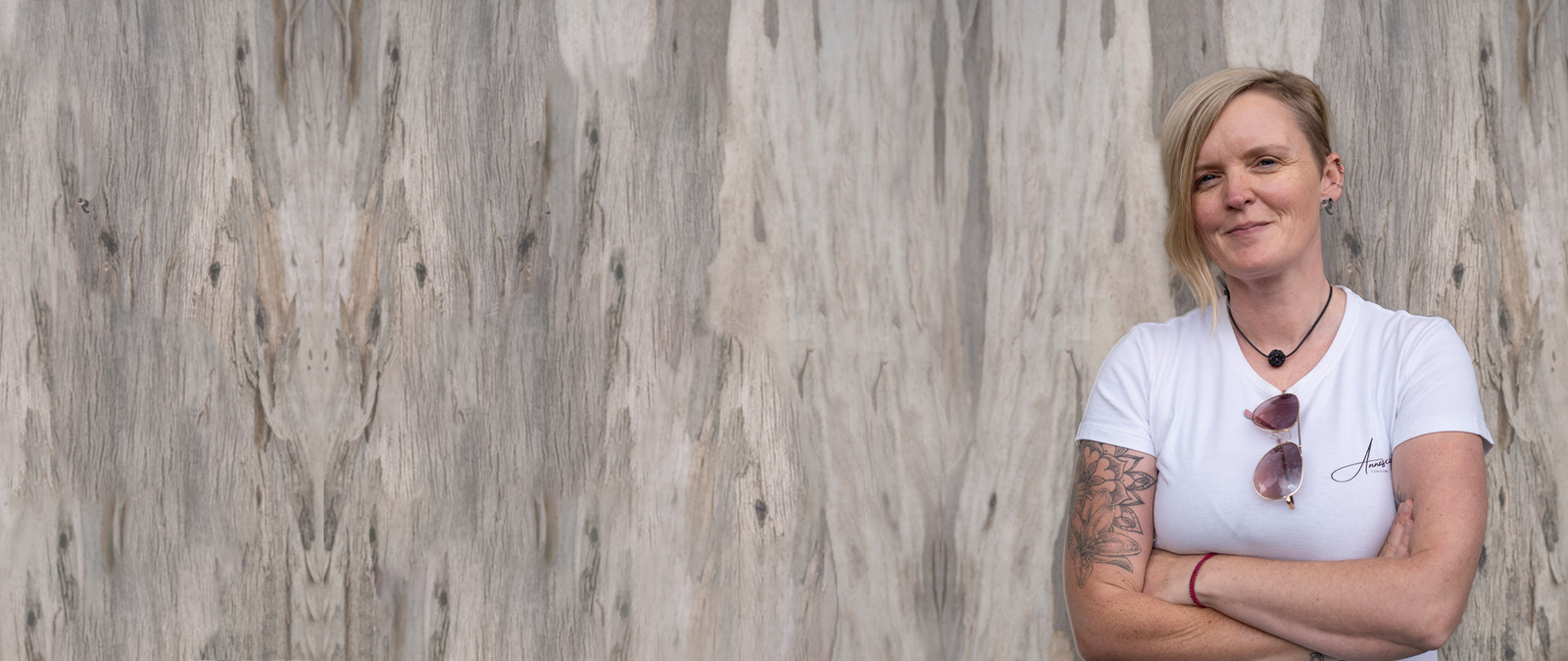
Anna Roters
This is part of a longer story.